




At EJHA, we stand for environmental justice for all!
The Environmental Justice Health Alliance for Chemical Policy Reform is a national network of grassroots Environmental and Economic Justice organizations and advocates in communities that are disproportionately impacted by toxic chemicals from legacy contamination, ongoing exposure to polluting facilities and health-harming chemicals in household products. EJHA supports a just transition towards safer chemicals and a pollution-free economy that leaves no community or worker behind. The EJHA network model features leadership of, by, and for Environmental Justice groups with support from additional allied groups and individual experts.
Follow us and Take Action!

Share this page:
September 28, 2026 New product screening data from the Campaign for Healthier Solutions highlights dollar store personal care and household products that openly list ingredients linked to health harms, including endocrine disruption, reproductive harm, and cancer. Six out of 78 products screened listed chemicals that are prohibited in cosmetics in at least one U.S. state, now or starting in 2027, including PFAS, formaldehyde releasers, toluene and lilial. “Dollar stores need to get ahead on compliance,” said José Bravo, National Coordinator of the Campaign for Healthier Solutions. “Our product screening initiative shows it’s not that hard to find a banned ingredient openly listed on product labels in the dollar store beauty aisle.” California bans intentionally-added PFAS in cosmetic products, which include products applied to the human body for cleansing and beautifying. A “Bling Bubbles Razz-Fizz Scented Purify & Detoxify Bubbling Face Mask” sold at a Dollar Tree in Coachella, California in July 2026 listed “methyl perfluoroisobutyl ether” in its ingredients, which is a PFAS chemical according to California law. September 28, 2026 Datos de análisis de nuevos productos, procedentes de la organización Campaign for Healthier Solutions, señalan productos de cuidado personal y del hogar vendidos en tiendas de bajo costo que indican abiertamente contener ingredientes asociados a riesgos para la salud, tales como alteraciones endocrinas, daños reproductivos y cáncer. Seis de los 78 productos analizados contenían sustancias químicas prohibidas en cosméticos en al menos un estado de EE. UU. ya sea actualmente o a partir de 2027, entre ellas PFAS, liberadores de formaldehído, tolueno y lilial. “Las tiendas de dólar deben adelantarse en materia de cumplimiento”, afirmó José Bravo, coordinador nacional de la Campaña por Soluciones más Saludables (Campaign for Healthier Solutions). “Nuestra iniciativa de análisis de productos demuestra que no es difícil encontrar un ingrediente prohibido que aparece abiertamente en las etiquetas de los productos de la sección de belleza de estas tiendas.” August 17, 2026 This year, Dollar Tree published an expanded Chemical Management Policy that commits to restrict more harmful chemicals in key private-label product categories, including food packaging, children’s products, and formulated products such as beauty, personal care and household cleaning products. “We applaud Dollar Tree’s efforts to eliminate chemicals linked to endocrine disruption, learning disabilities, cancer and reproductive harm from its shelves,” said José Bravo, Coordinator of the Campaign for Healthier Solutions. “Families deserve safe products and healthy food no matter where they shop.” May 31, 2026 Two major incidents at chemical plants within the past week sent tens of thousands fleeing from their homes in California and left 11 people dead in Washington. But despite a spate of similar incidents over the last year, the Trump Administration is planning to roll back federal regulations designed to prevent similar disasters. Experts and environmental groups have warned that such a move would make chemical accidents far more common. According to the Coalition to Prevent Chemical Disasters—a group of environmental justice, labor, public health, national security, and environmental organizations—at least 215 dangerous chemical incidents occurred in 2025, including fires, explosions, and toxic releases. It says there have been at least 1,446 hazardous chemical incidents in the U.S. since 2021, an average of 5 incidents per week. 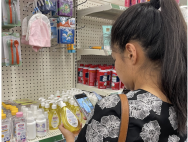
Dollar store makeup, laundry detergent and skincare products list chemicals linked to health harms, highlights new product screening
Un nuevo análisis de productos revela que el maquillaje, el detergente para ropa y los productos para el cuidado de la piel vendidos en tiendas de bajo costo contienen sustancias químicas relacionadas con riesgos para la salud.
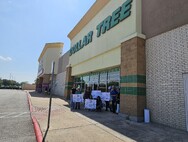
Dollar Tree expands chemical safety policy with new restrictions and greater supplier transparency

Back-to-Back Chemical Disasters Strike as Trump Seeks to Roll Back Safety Rules
The Environmental Justice Health Alliance for Chemical Policy Reform is a national network of grassroots Environmental and Economic Justice organizations and advocates in communities that are disproportionately impacted by toxic chemicals from legacy contamination, ongoing exposure to polluting facilities and health-harming chemicals in household products. EJHA supports a just transition towards safer chemicals and a pollution-free economy that leaves no community or worker behind. The EJHA network model features leadership of, by, and for Environmental Justice groups with support from additional allied groups and individual experts. Follow us and Take Action!
Share this page: |