

Affiliates
Houston, TX
Contact:
6731 Harrisburg
Houston, Texas 77011
Phone: 713-303-5811
Visit our website:
www.tejasbarrios.org
Follow us on social media!

Share this page:
Texas Environmental Justice Advocacy Services
Texas Environmental Justice Advocacy Services (t.e.j.a.s.) is dedicated to providing community members with the tools necessary to create sustainable, environmentally healthy communities in the East End of Houston by educating individuals on health concerns and implications arising from environmental pollution, empowering individuals with an understanding of applicable environmental laws and regulations and promoting their enforcement, and offering community building skills and resources for effective community action and greater public participation.
Our goal is to promote environmental protection through education, policy development, community awareness, and legal action. Our guiding principle is that everyone, regardless of race or income, is entitled to live in a clean environment.
Related News

The Trump administration is deleting government data. From infant deaths to hunger, here are 5 ways it’s hurting Americans
May 7, 2026
Until last year, one of the best ways to find out if you live near one of the roughly 12,000 facilities that store hazardous, cancer-causing chemicals used in manufacturing products like pesticides or medical devices was to go to an EPA webpage for the Risk Management Program (RMP). There you could type in your zip code in a search tool, and see if any of these chemical factories are nearby. (Latino, Black and low-income people are more likely to bear the brunt of chemical pollution; they disproportionately live closer to chemical plants than other groups.) But last April, the Trump administration took down this tool. Now the only way to get this information is to drive to one of several dozen EPA reading rooms across the country to examine paper records. “You have a right to know what’s in your back yard,” said Maya Nye, federal policy director for Coming Clean, a non-profit environmental health collaborative. She said the removal of the tool is particularly concerning because “we haven’t figured out how to prevent chemical disasters and people are still experiencing them”.
Read More
Chemical Plants Keep Exploding, but Trump’s EPA Is Rolling Back Safety Rules Anyway
March 5, 2026
In 2024, the federal Environmental Protection Agency attempted to address the risk of chemical leaks through a rule called the Safer Communities by Chemical Accident Prevention. It promised a modest course correction, requiring dangerous plants to investigate past accidents, plan for climate-fueled disasters, give workers more power to halt unsafe operations, and, in some cases, switch to safer chemicals or processes. But last month, Trump’s EPA proposed gutting most of those safeguards before they ever took effect, moving to strip away requirements for safer technologies, climate and natural disaster planning, third-party safety audits, and strong worker participation in decision making. “For fenceline communities and facility workers, this rollback is a declaration that our lives are deemed acceptable sacrifices,” said Ana Parras, executive director of Texas Environmental Justice Advocacy Services, a group that has worked in several national coalitions around chemical safety.
Read More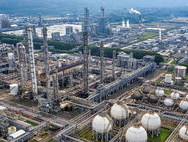
Community, Health, and Environmental Groups Sue to Stop President Trump’s Unlawful Toxic Air Pollution Exemptions
October 22, 2025
WASHINGTON, D.C. – Community, health, and environmental groups sued the Trump administration today to stop an executive action that would unlawfully exempt 50 of the country’s most toxic chemical manufacturing plants from protections that guard people against dangerous cancer-causing air pollutants, including ethylene oxide and chloroprene. “We’ve fought for decades to close loopholes and get real checks on chemical leaks. These standards target the dangerous chemicals that create a huge cancer risk in communities like Mossville, Louisiana, and others throughout the country,” said Michele Roberts, national coordinator of the Environmental Justice Health Alliance for Chemical Policy Reform (EJHA). “Delaying them is a policy choice with a human cost, measured in diagnoses, not dollars. The Clean Air Act doesn’t allow a president to waive our human right to health or hand polluters a free pass without evidence.”
Read More
Environmental Groups Sue EPA Demanding Protections from Hazardous Chemicals
August 28, 2025
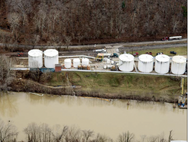
A coalition led by environmental justice organizations filed a suit against the U.S. Environmental Protection Agency today for refusing to issue long-overdue rules to prevent hazardous-substance discharges that threaten public health and contaminate waterways. Across the United States, more than 100,000 facilities make, store, or use hundreds of hazardous chemicals linked to reproductive, developmental, and neurological harm – including benzene, hydrogen sulfide, sulfuric acid, hydrogen cyanide, and hydrochloric acid. “For generations environmental justice communities have lived next to some of the most hazardous facilities in the country that threaten the bodies of water our families rely on to survive. Now more than ever we must prioritize creating safe and healthy places where all of our children can thrive and grow.” said Michele Roberts, National Coordinator of the Environmental Justice Health Alliance for Chemical Policy Reform. “The EPA’s do-nothing approach leaves us one incident away from a catastrophe.”
Read More

New EPA regulations mean a closer eye on the nation’s petrochemical hub
April 17, 2024
Texas Environmental Justice Advocacy Services, or TEJAS, has advocated for decades for stronger chemical regulations like this one. “We remember family, friends, and neighbors who we lost as a result of health-related issues because of highly hazardous air pollutants, including carcinogens like ethylene oxide and 1,3-butadiene,” TEJAS representative Deyadira Arellano told EHN. “We owe it to our loved ones to act on environmental justice and call for enhanced inspections and enforcement at facilities that repeatedly violate emissions rules.”
Read MoreHouston, TXContact:6731 Harrisburg Visit our website:
|